Showing posts with label PermaRec-ish Books. Show all posts

Tuesday, December 29, 2015

A Rolodex with an Atomic Pedigree

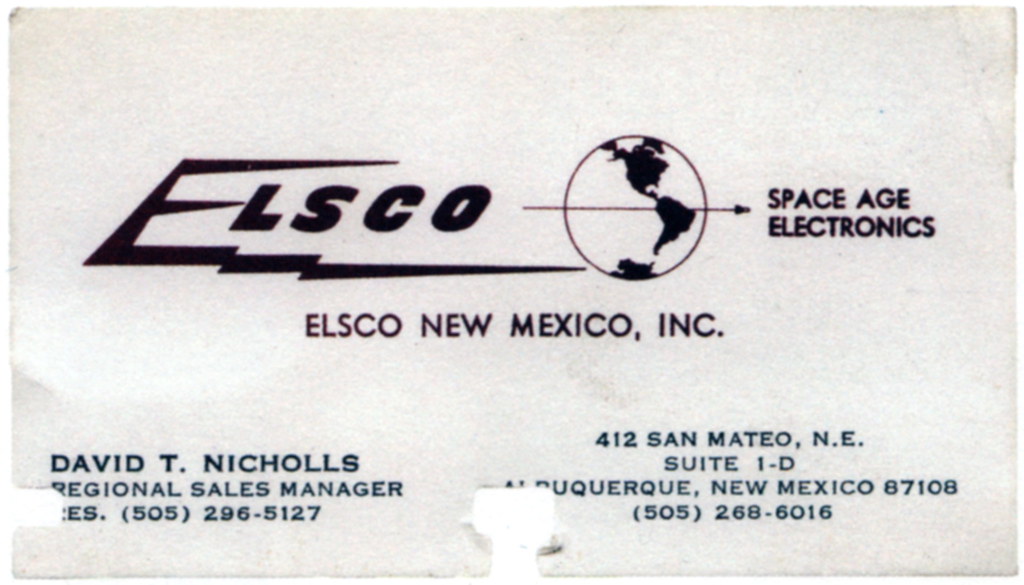
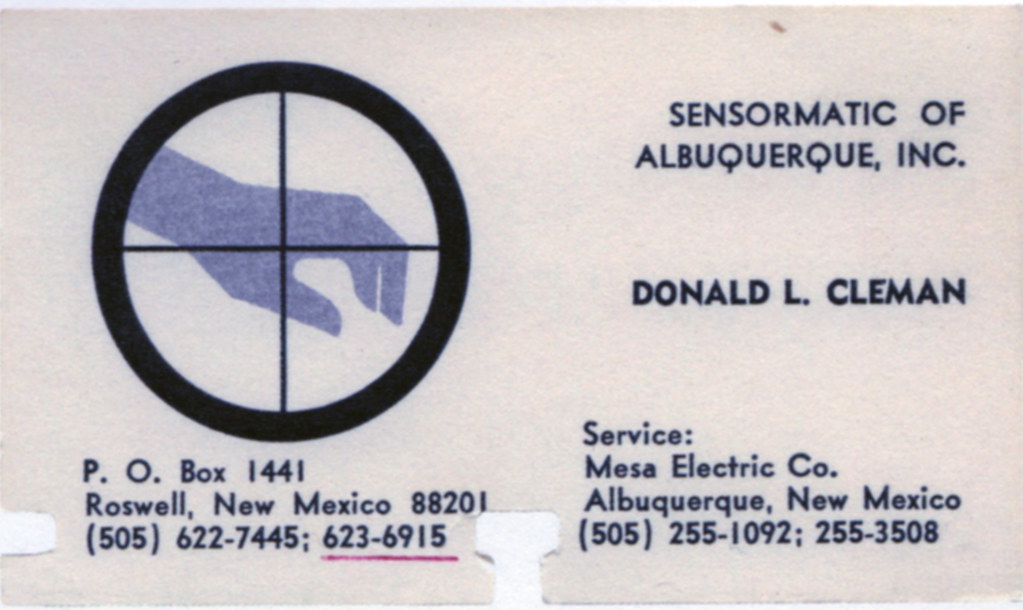
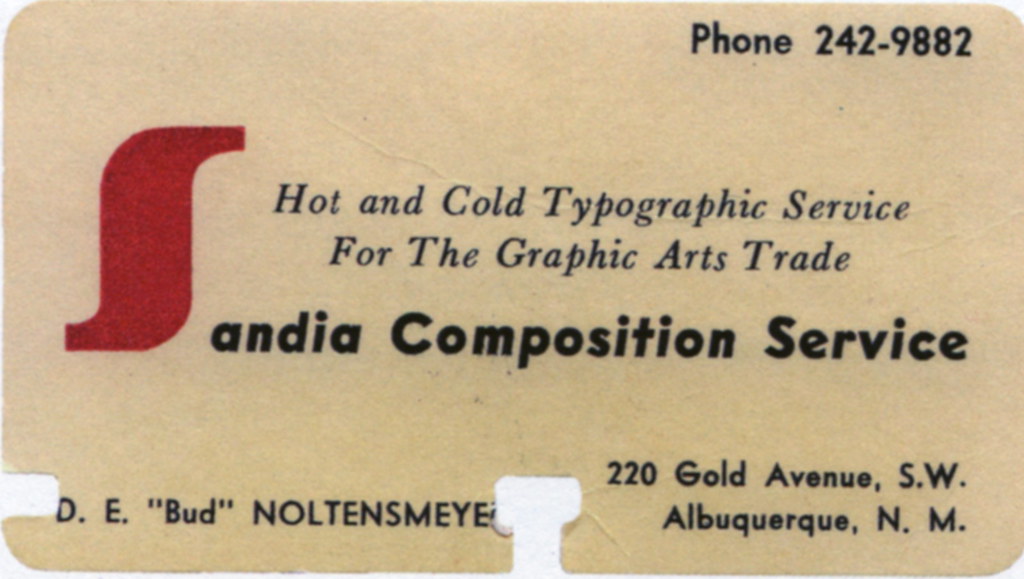
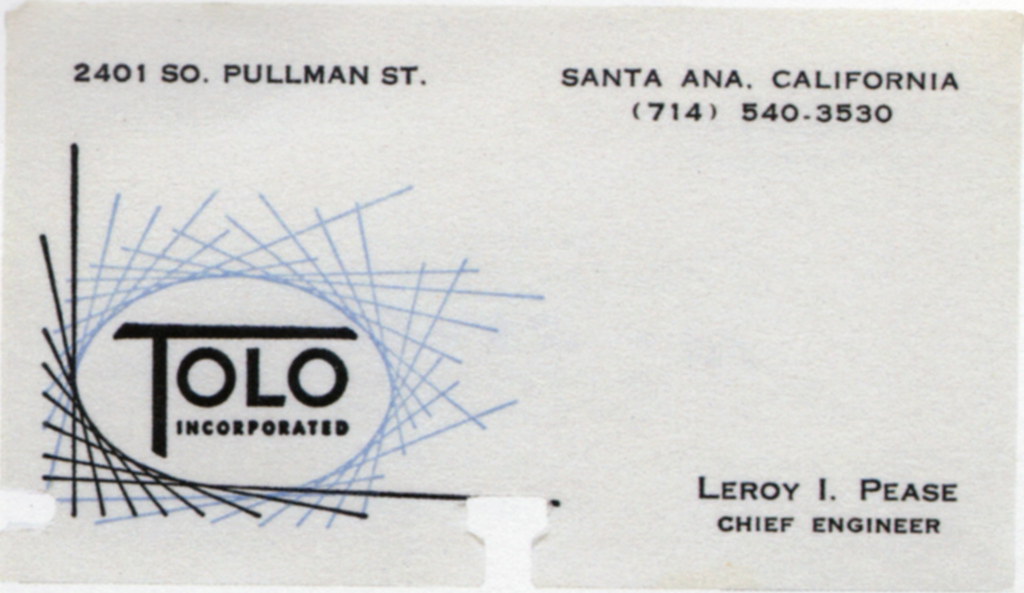
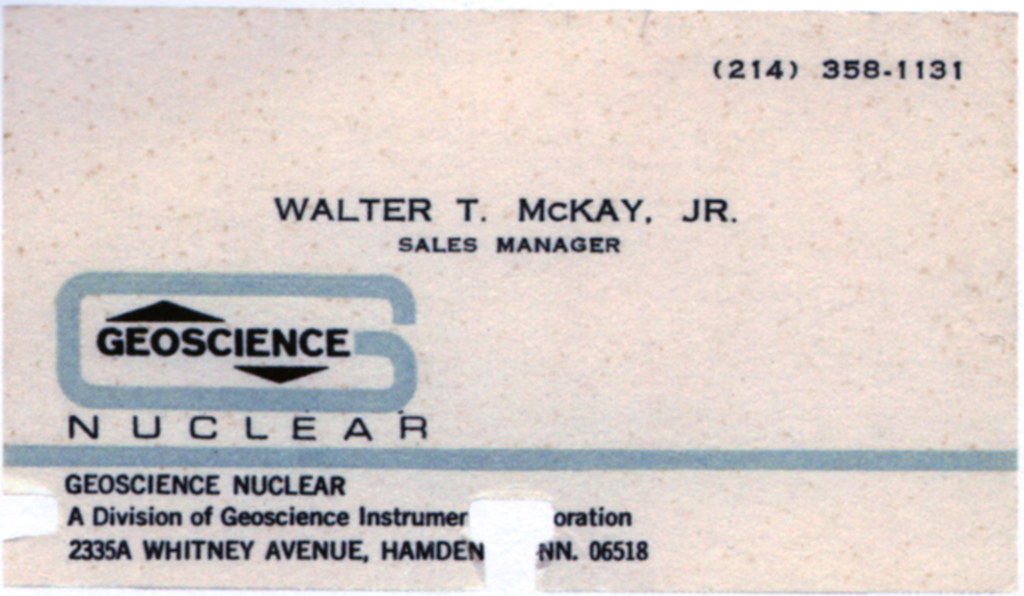
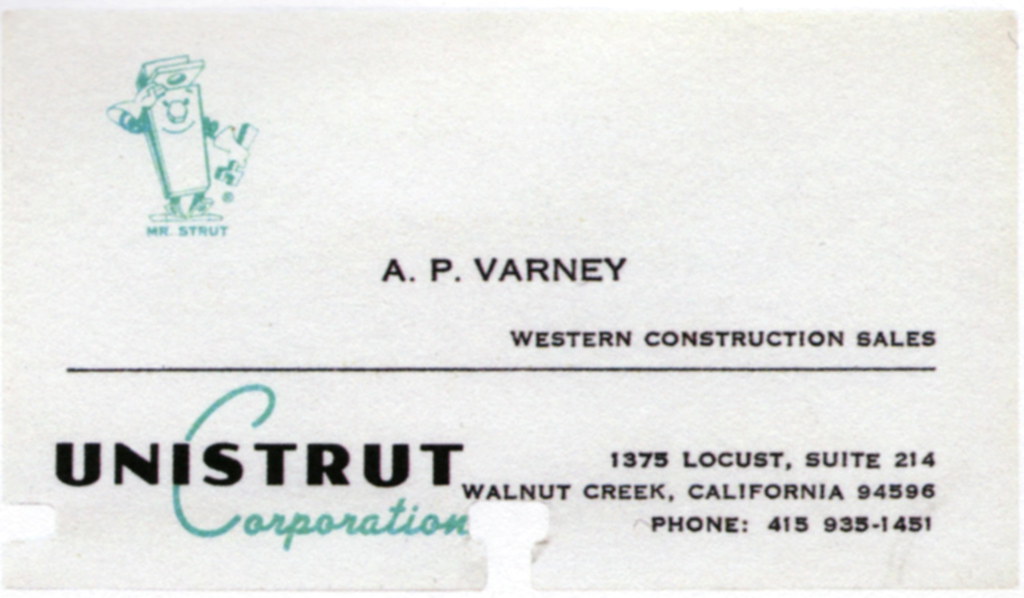
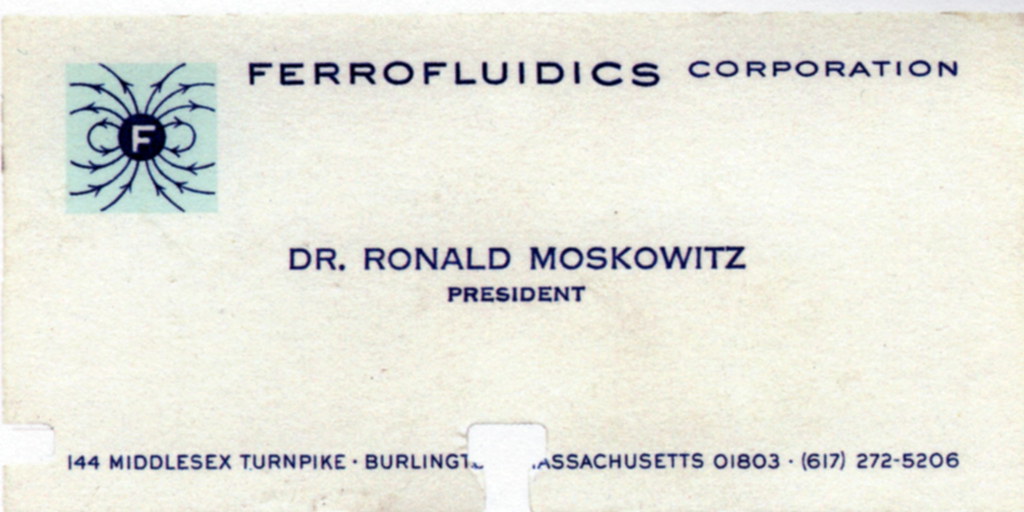
The Center for Land Use Interpretation, a California-based group of which I've been a proud member for nearly 20 years, has just published a sensational book: Los Alamos Rolodex: Doing Business with the National Lab, 1967-1978, a collection of 150 business cards selected from seven old Rolodexes that were salvaged from Los Alamos National Laboratory in New Mexico — the research facility where the atomic bomb was developed during World War II and where atomic weapons development continued to take place for the next several decades.

The book's introduction does a good job setting the stage, and also gives the whole project a very Permanent Record-ish spin. Here's an excerpt:

The collection of cards presents a record of companies that supplied goods and services to the nuclear industry, including everything from major military contractors to small, obscure high-tech widget suppliers — many of which are no longer extant (out of business or, more likely, bought and folded into larger military suppliers). Together, they are a historical snapshot of American high-tech corporations, their logos and graphics locked in time.

[…]

As a historical record … they are hard evidence of the business relationships that built the transformative and secret technology that our nation still uses to dominate globally. … These business cards are the synapses of this empire, each one the tip of an iceberg that may never be explored.

It takes a lot of technology to make technology, but ultimately the bomb was made by people calling other people on the phone. Although these cards are corporate, by definition, they are also personal. The cards name names: the individual salesmen who were came calling, or were called upon, by the lab contractors. … The cards are even intimate, listing direct phone numbers, few of which seem to be in service anymore. … In this way, the cards today represent the opposite of what they were originally meant to do — connect people to people, seller to buyer. These cards are now dead ends. Obsolete, ephemeral minutiae.

Nicely put. Historical context notwithstanding, the cards are fascinating on their own terms. Many of them come from very entertainingly named firms (the ProtectoSeal Company, Beehive Electrotech, Pulverizing Machinery, Vacu-Blast Corporation, Push Button Container Corporation, Precision Monolithics, General Astrometals, Industrial Wiping Materials by Scott, and, my favorite, Zero Blast-n-Peen). And the designs are soooo Sixties, which I mean in the best way. Here are a few examples (for all of the photos, click to enlarge):
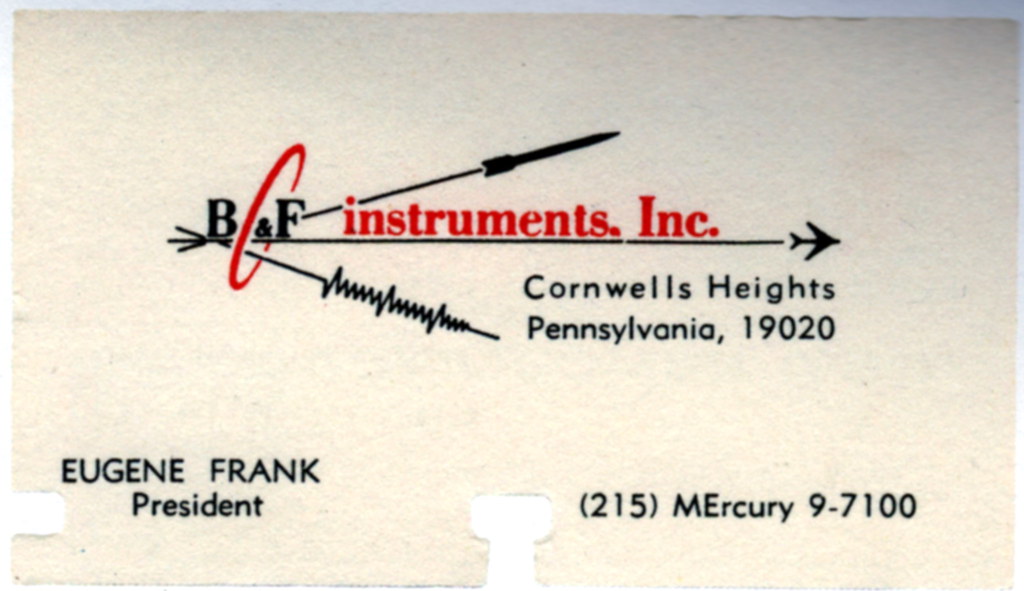
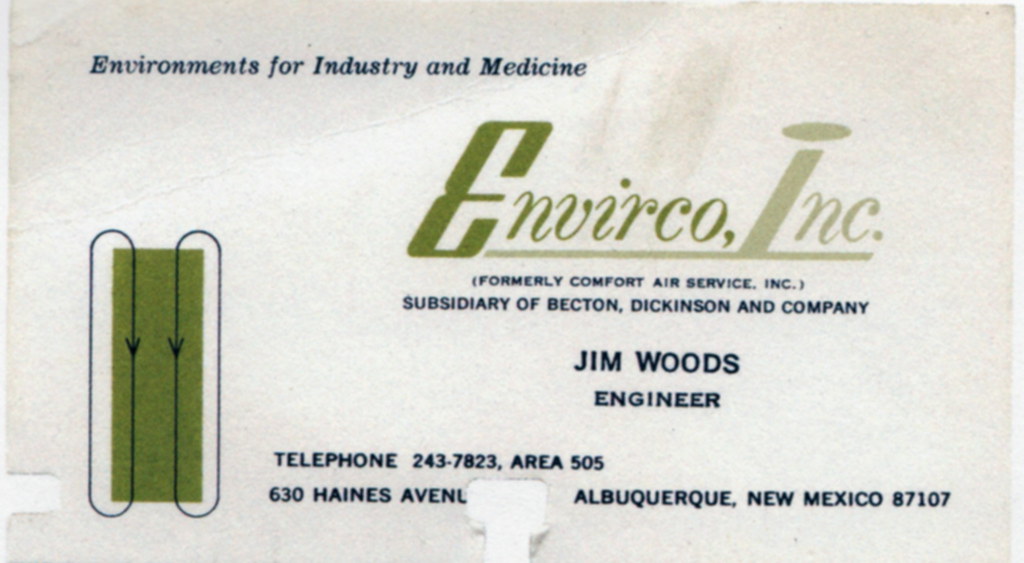
Good stuff, right? And that's just a very small sampling. You can order the book here.

The notion of harvesting artifacts from Rolodexes is particularly interesting because the Rolodex itself is something of an artifact from a bygone era. I'm old enough to have been around them (I worked in a series of office jobs from 1987 to 1996, which I gather was the roughly the final chapter of the Rolodex's heyday), but for whatever reason I never got in the habit of using them, although I recall many of my co-workers being fairly dependant on them. According to one report, people were still buying them in 2013, although I suspect we're talking about a pretty tiny niche market. I kinda figured they were invented in the 1930s or so, but this article (which is worth reading — lots of good info) says they weren't sold until the 1950s. Interesting.

Tuesday, August 4, 2015

The Red Leather Diary

I was describing Permanent Record to my new friend Casey the other day, and she mentioned a story that had run in The New York Times several years ago, about an old diary that been found in the trash and then reunited with its original owner.

The diary is shown above, being held by Florence Wolfson Howitt. She kept the diary from 1929 through 1934, when she was a teen-ager. The photo was taken in 2006, when she was 90 years old and had been tracked down by Times reporter Lily Koppel, who had come into possession of the diary after it had been forgotten in a storage trunk and then discarded.

This would be a great story even if the diary had chronicled a fairly mundane life. But the life described in Howitt's diary was anything but mundane. During her teens she was an aspiring writer, musician, and artist and had romantic experiences with men and women, all of it described in the sort of florid, occasionally overwrought language that you'd expect from a privileged teen-ager traveling in sophisticated New York circles.

Koppel, the Times reporter, explained all of this, and a lot more, in a 2006 article, which is fantastic — highly recommended. She ended up writing a book about the diary, and about the unlikely friendship she developed with Howitt.

That book, called The Red Leather Diary, was published in 2008 and apparently got a fair amount of media coverage at the time (as did the original 2006 article, for that matter, which is why Koppel got a book deal in the first place), but I somehow missed the boat on all of it. The storyline was briefly revisited in 2012, when Howitt passed away at the age of 96, but I missed that as well. Seems like the kind of thing that would have come across my radar, but for whatever reason it didn't.

An interesting footnote to all of this is that the format of Wolfson's five-year diary inspired New York illustrator Tamara Shopsin (daughter of famously irascible New York restaurateur Kenny Shopsin, for you NYCers who are clued into such things) to produce and sell her own blank five-year diaries, which are essentially identical to the one Wolfson used during her teens.

Casey — the friend who told me about all this — uses one of those diaries herself, which is a nice way to bring this story full-circle.

Monday, July 27, 2015

Small Town Noir Update

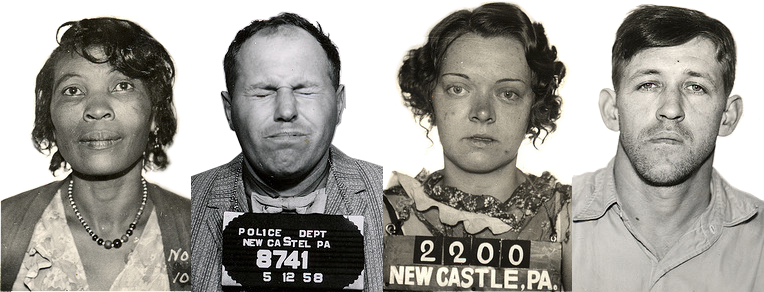
Last September I posted an entry about the Scottish blogger Diarmid Mogg, who has an interesting specialty: He collects mid-century mug shots and their accompanying police reports from the town of New Castle, Pennsylvania, and then searches the online archives of New Castle's daily newspaper to learn more about the arrestees and their lives. He publishes the results of his research in his excellent blog, Small Town Noir.

I've stayed in touch with Mogg over the past year, and he got in touch the other day with some exciting news:

It might be possible that I’m about to get a Small Town Noir book published!

There’s a new-ish publisher called Unbound, which uses a sort of crowdfunding model to fund niche-interest books. (If you’re interested in learning more, there’s an article about them here.) Their head of publishing got very excited about Small Town Noir, and we’ve set up a crowdfunding campaign for the book. It will only work if around 900 people pledge to buy it, so please spread the word to anyone you think might be interested in a pretty depressing set of stories about unlucky everyday people. (A hard sell, I know! Perhaps it would be better if I presented it as “a fascinating collection of true-life stories behind 150 beautiful old mug shots from one small American town.”)

The short video on the book's campaign page does a great job of explaining the appeal of the project. Please check it out and consider pledging to purchase the book — it's a great project that deserves to be published.

Tuesday, November 25, 2014

PermaRec Book Club: Paper Love

I was listening to All Things Considered today during my daily bike ride in Brooklyn's Prospect Park (yes, I have a radio on my bike) when I heard a story tailor-made for Permanent Record.

They were interviewing an author named Sarah Wildman, who has a new book called Paper Love. It's about how she found a cache of love letters that her late grandfather had saved. But the letters weren't from her grandmother; they were from a woman named Valy, who had fallen in love with Wildman's grandfather when the two of them were medical students in prewar Vienna during the 1930s. They had a whirlwind romance and had planned to escape Vienna together when the Nazis annexed Austria, but he ended up leaving with his family while Valy was left behind.

As Wildman read the letters, she began realizing that the story they told didn't quite jibe with the family history she'd been taught over the years. She also became fixated on Valy and on what had happened to her. Had she been killed in the Holocaust? Had Wildman's grandfather felt guilty about leaving her behind?

Wildman's grandfather had passed away by the time she found the letters, so she couldn't ask him to fill in any of the details, and her grandmother refused to say anything about the letters except to acknowledge that Valy had been her husband's "true love." So Wildman began researching — an effort that took her several years and across several continents. I haven't yet read the book, but apparently she hit some kind of paydirt at the end of her project.

Here's the All Things Considered interview with Wildman (if the audio player doesn't show up on your browser, you should be able to access it in the links that follow):

You can read a partial transcript of the audio report here, you can access an excerpt from the book here, and the book is available for sale here.