I'm a big fan of prewar country blues, and of course I'm also a fan of artifacts with hidden stories to tell. So I was super-excited when I saw The New York Times Magazine’s cover story this past Sunday: a long-form account of writer John Jeremiah Sullivan's extended research-based attempts to find out something — anything — about Geeshie Wiley and Elvie Thomas, two female blues singers who cut six sides for Paramount in 1930. One of those six songs, "Last Kind Words Blues" (credited to Wiley, as you can see on the label, but with Thomas accompanying her on guitar), is embedded above. If you're not familiar with it, go ahead and give it a listen.
The six Wiley/Thomas sides have long enjoyed a fairly rarefied status among blues connoisseurs and scholars. But those same scholars have failed to turn up any information about Wiley or Thomas. The mystery surrounding the two women is underscored by how rare their recordings are. In the case of one of their records, "Motherless Child Blues" with "Over to My House" on the flip side, only two copies are known to exist.
Many researchers and scholars over the years have loved Wiley and Thomas's music and wanted to know more about them. But Sullivan — the author of the NYT Mag article — seems to have been particularly smitten with them after first hearing their music in 1994. His article details his increasingly obsessive attempts to unlock the stories of these women's lives, and I don't think it's giving too much away to say he ends up hitting a certain degree of paydirt by the article's end.

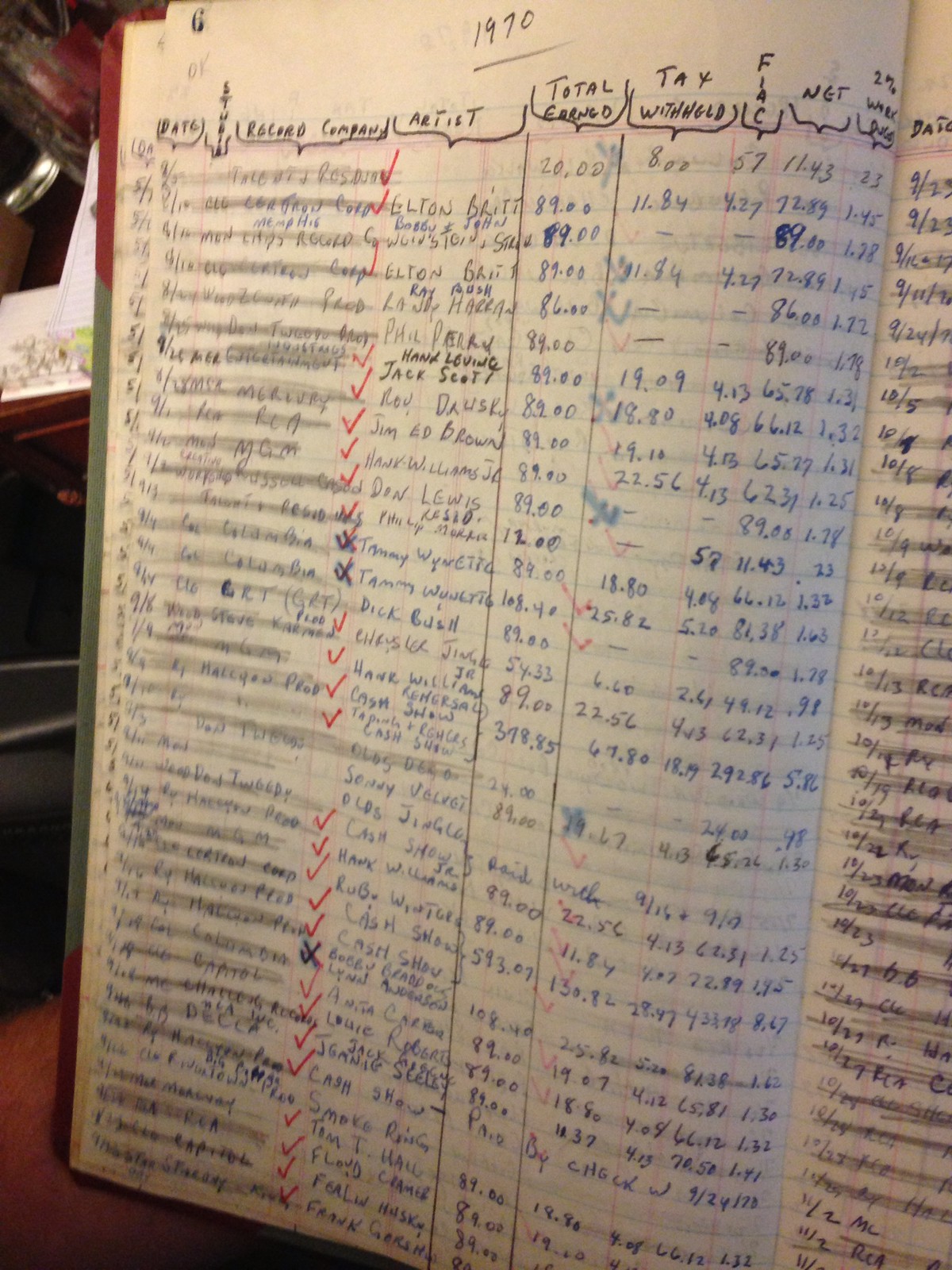
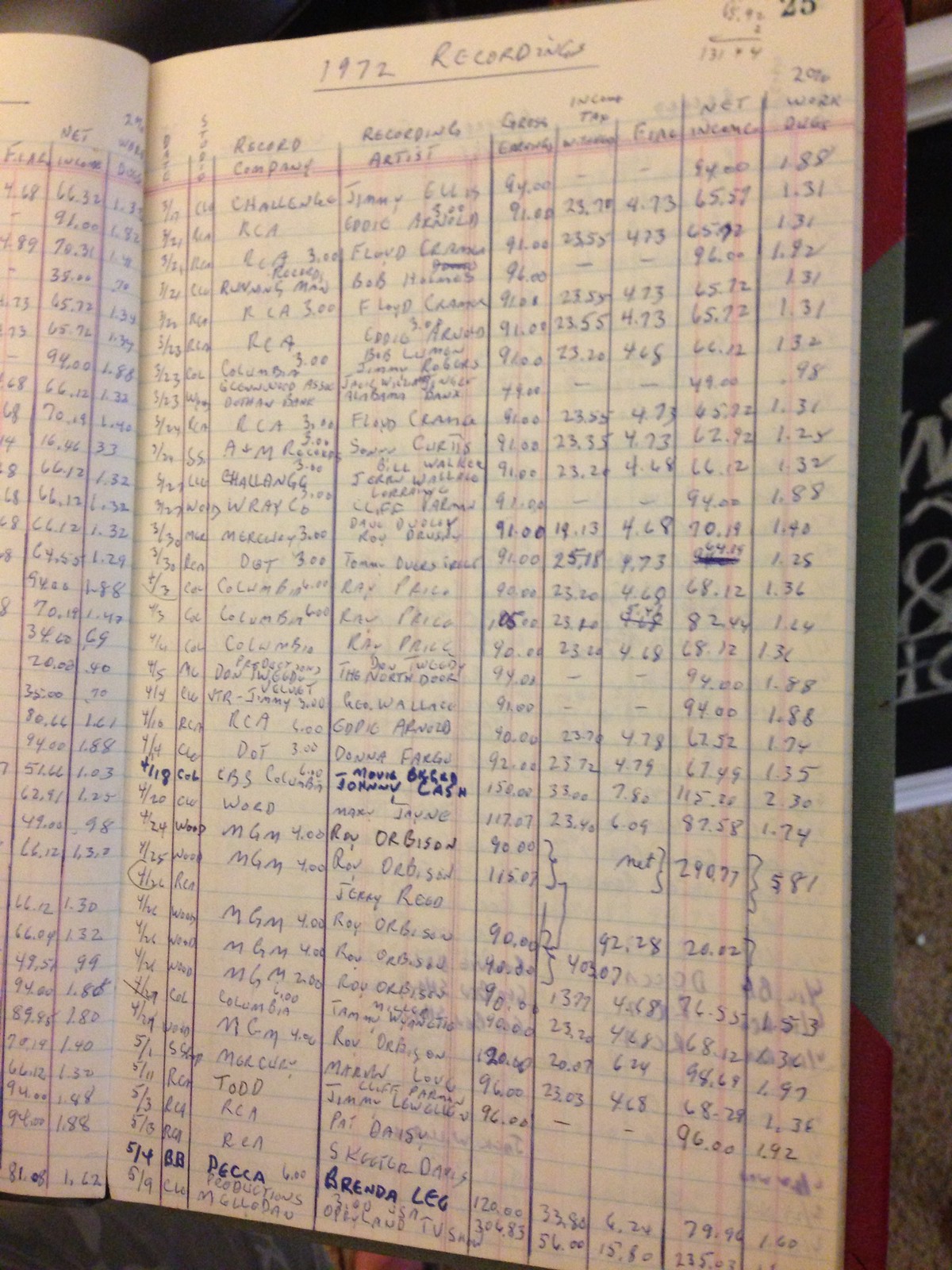
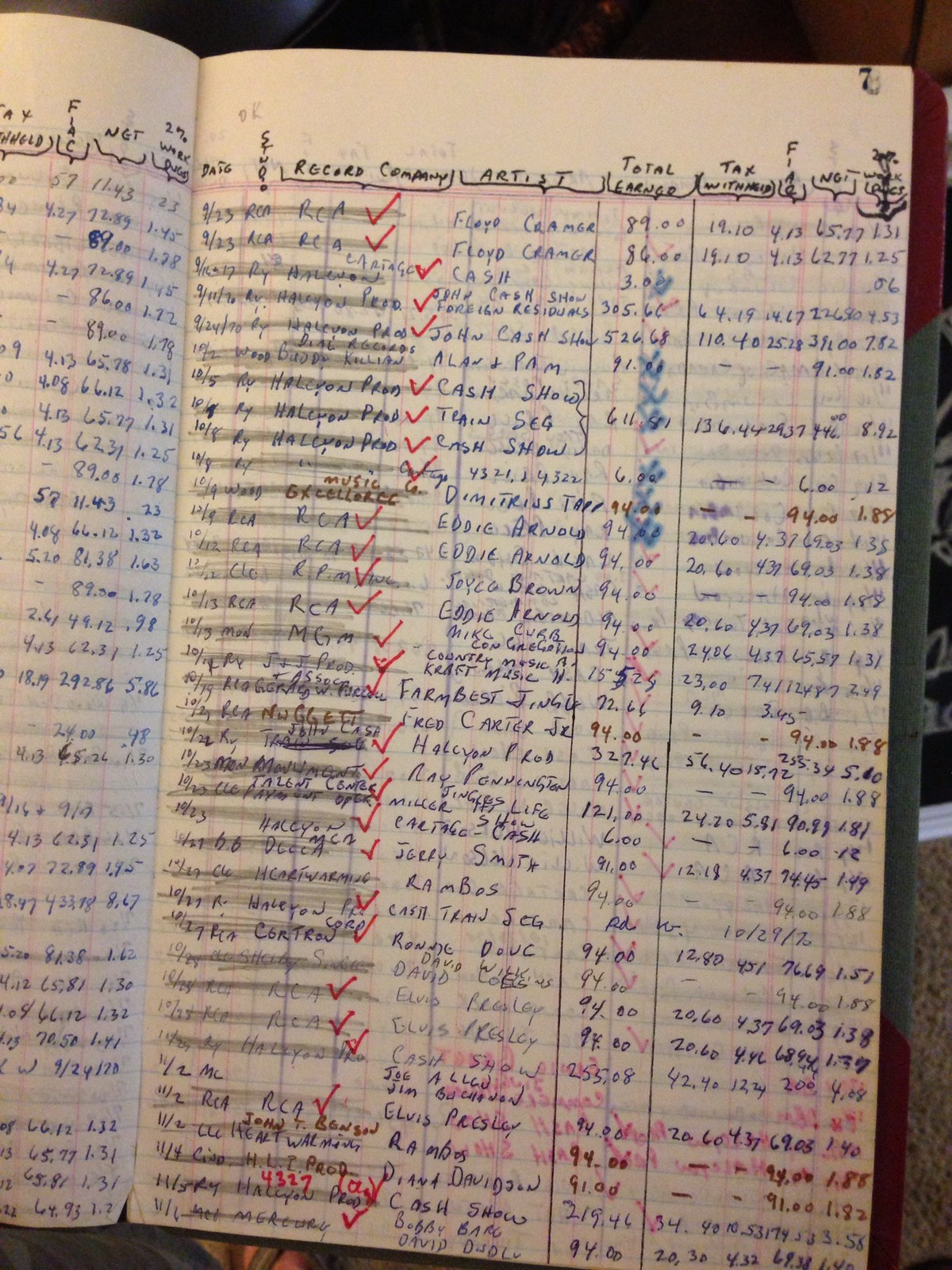
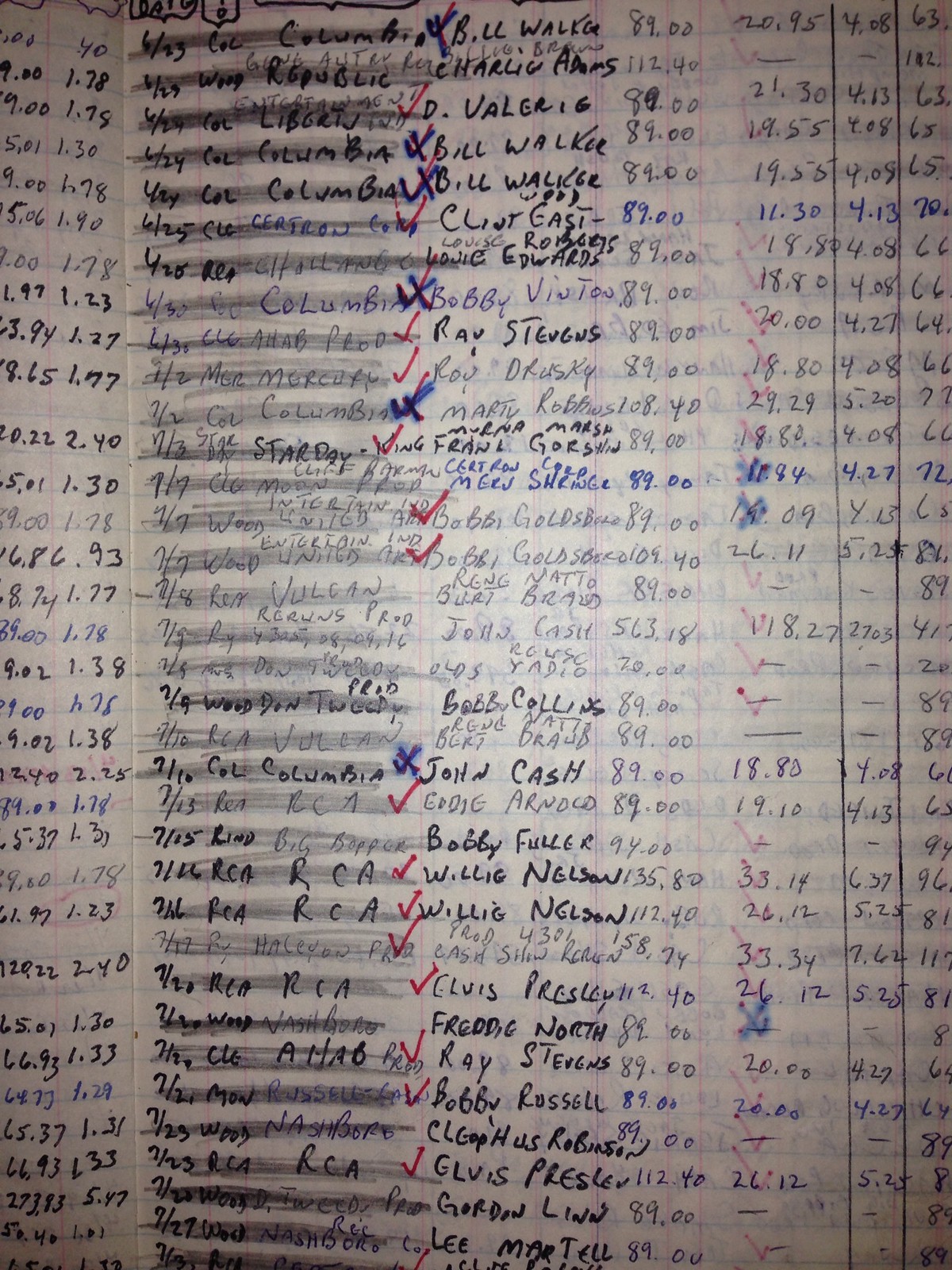
While the two blueswomen are the article's protagonists, there's another significant character worth mentioning: Mack McCormick (shown at right; click to enlarge), a Houston-based 85-year-old who is said to have the world's largest archive of original blues research content — interview tapes, transcripts, photographs, record company ledgers, birth certificates, death certificates, you name it. I qualified that with "is said to" because McCormick's archive is so massive and unruly (he calls it "the Monster") that even he isn't sure of what he has anymore, which has led some skeptical rival scholars to question whether he really has all that much to begin with. The fact that McCormick is afflicted with bipolar disorder hasn't helped either his reputation or his attempts to organize his archive while he's still alive.
McCormick, who I'd heard of before but didn't really know that much about, comes off as the most fascinating character in the article. Part field researcher, part folklorist, part cultural historian, and part nosybody, he's a white man who was born into a very segregated era and has devoted most of his life to investigating and documenting the history of early-20th-century black American music. At one point he took a job with the census and specifically asked to be assigned to a particular black precinct where he thought (correctly) he'd find lots of old musicians and old records.
But McCormick has become paralyzed by (or maybe victimized by, or even captured by) the scope and depth of his work. He supposedly knows more than anyone has ever known about the most famous country blues singer of all, Robert Johnson, but has been unable to write a book on Johnson — in part, one suspects, because of his mental illness, but also because he got in so deep that he can't create a coherent narrative. And the Johnson situation serves as a metaphor for the rest of his archive, which is uncatalogued and is likely filled with untold stories that could add to our understanding of blues history.
Sullivan's article spends a lot of time discussing McCormick. It seems clear that the two men have a complicated relationship that veers from mentor/acolyte to rivalry, and I wonder if Sullivan envisions — or worries — that one day he'll end up like McCormick, an old man who got so immersed in his life's work that he neglected to shape it into a functional legacy. It raises a question I've often thought about while working on Permanent Record: At what point do we devote so much time and energy to investigating past lives that we lose sight of our own? Or, maybe more to the point, does a fascination with past lives indicate a feeling of emptiness about one's own?
Such introspections notwithstanding, Sullivan's article is superb. Like all stories about the blues, it's also a story about race in America, and a really good one. It's also very, very Permanent Record. It's long — about 14,000 words — but it's absolutely worth your time. Lots of good audio and video content, too. You can check it out here, and there's a follow-up "story behind the story" piece here. Don’t miss.